Focus and depth of field
We can use focus to guide the audience's attention and create depth in an otherwise 2-dimensional image.
Automatic override focus
Many cameras have a very helpful automatic override button which will temporarily let the camera find the focus and lock it there when it is released back into manual mode.
If the camera is left on auto-focus it may annoy your audience as it randomly searches to focus first on the foreground then background. This often happens when someone walks across a shot.
Difficult focus situations
- Low light levels (such as night time): Where it can be difficult to see if the subject is sharp (and the wider aperture will give a narrower depth of field making focus more critical)
- Low contrast: Flat light can be harder to find focus in than bright sharp sun light
- Moving subject or camera: If either your subject or your camera is moving such as in a hand held scene, the plane of focus may be constantly changing making it more difficult to maintain focus
Keep it out of focus - I want to win the foreign picture award
Depth of field
Simplified massively, depth of field is how much extra stays in focus in front of and behind what you have actually focused on.
Deep Depth of field
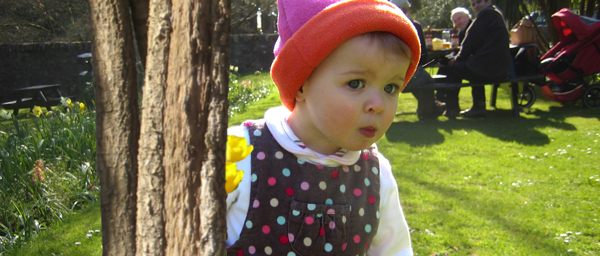
Normally you want the biggest, deepest depth of field because:
- It just makes things easier to keep everything in sharp focus.
- There is more tolerance. ie. If a character, who has to walk into a shot, and deliver a difficult line, and they don’t quite hit their mark, they will still be in good enough focus.
- With group shots more of the group stay in focus.
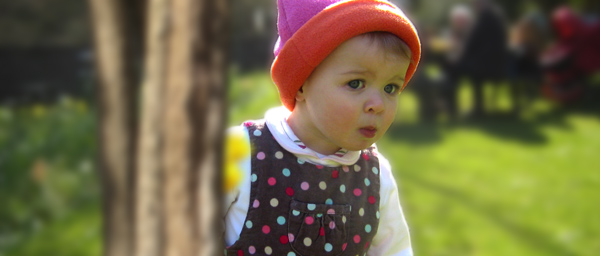
Shallow Depth of field
A very cinematic technique that makes everything in front of and behind your subject ‘soft’, isolating them in the frame and removing any distractions from the performance. Very fashionable and common with the rise of DSLRs in filmmaking.
Controlling depth of field
Depth of field is controlled by aperture (sometimes known as iris) A small aperture for deep depth of field and large for shallow. You also get a deeper depth of field with a wide angle lens so how far away your character is makes a difference.