Composition
A common mistake for first time filmmaker is continually fiddling with the controls, zooming in, zooming out, panning left, walking around, up, down, zoom in again until your head is in a spin…
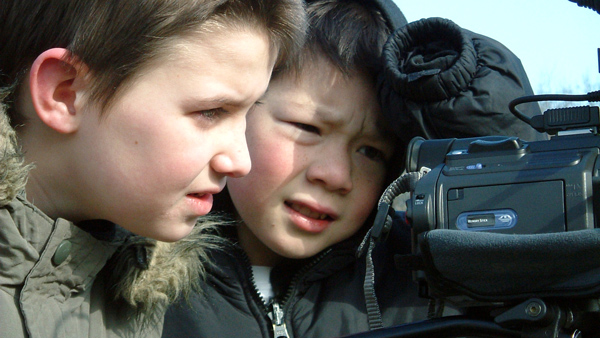
Telling a story with a sequence of shots is a much better way to do it, but you need to know what shots you want before you start. It makes the editor's job a whole lot easier if most things have been worked out first with a storyboard; and it will look more cinematic/professional!
Find out about film language as this will help you with your film.
Framing with a tripod
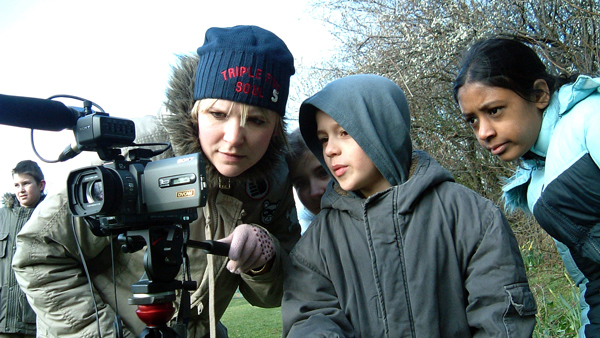
If you have a tripod it is easier to compose shots. A tripod pins down the framing meaning you can concentrate on other important elements such as performance.
Using a tripod gives young people the opportunity to study the framing; and if you are a teacher you can check the shot too, without doing it for them!
Of course great cinema is about dynamism and movement too - but study how great films are shot (and cheap TV too) and you'll see how much can be achieved without ever moving the camera.