Types of mic
Recording sound for TV or film needs a different kind of microphone from those used in music or radio studios. The best place for a microphone is usually quite close to the source of the sound, often the mouth when someone is talking or singing.
Omni-directional mic
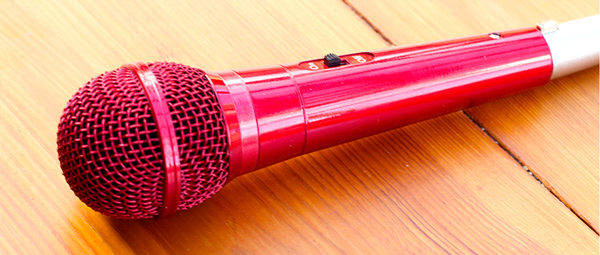
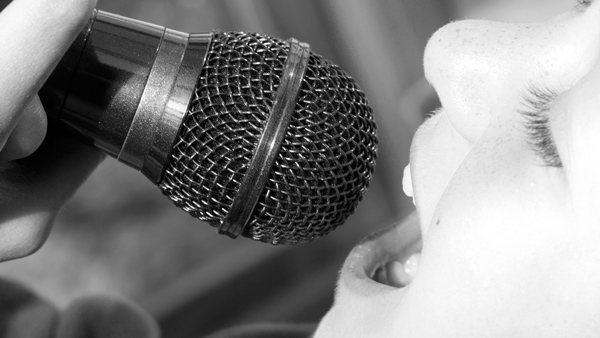
In music or radio it's quite acceptable to place the mic right in front of the mouth. So the type of microphone used normally picks up sound or 'hears' in all directions at once - the word used for this is 'omni', meaning 'all'.

These mics will be fine if you are happy to have the mic in shot and very close to the mouth of the person you are filming e.g. a rock singer or rapper.
Cardioid mics
Sometime it is useful if the mic picks up slightly more in one direction than another, especially if you're trying to pick up someone talking in a noisy environment. So mics are made which have a balloon pick-up shaped more like a heart. Wider at the top or front of the mic, but less pick-up around the back. This is called a 'cardioid' pick-up pattern.

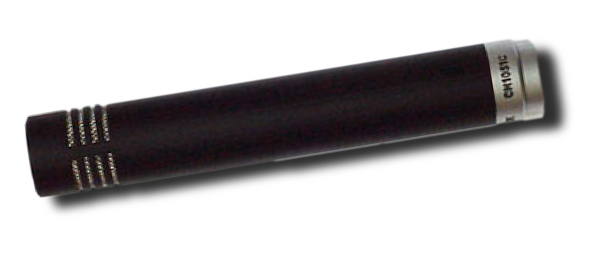
It's hard to tell by looking at a microphone whether or not it is cardiod. Sometimes the manufacturers help you out by engraving a little heart shape on the side of the mic.
A mic will usually have its manufacturer and identifying number printed on it somewhere, you can often 'google' to find out pick-up pattern information.
We have this kind of mic - is it any use?
This mic can be very good for recording a group of people; like a choir, or a band of acoustic instruments. Or if you don't plan to have anybody talking in your film, this mic will pick up general sounds very well. If you have an interviewer or presenter standing in shot then they can hold this mic for themselves and point it to an interviewee with good results.
Gun mics for film and tv
Special microphones have been designed for use with film and television where the mic has to be kept out of shot and so is further away from the sound source. These mics are especially directional and if you picture a balloon pick-up pattern around them, the balloon is very narrow and all towards the front, or top, of the mic, with very little of it towards the back. Just take a look at the pick-up pattern:

You can point the mic like a gun towards the sound you want and it will hear more in that direction than your ears do! If you turn the mic away from the sound source it will pick up much less of it and instead will pick-up whatever you are pointing it at. This is why these are often called 'gun' or 'rifle' mics.
In fact these mics still have a cardioid pick-up pattern but it is a very narrow heart shape and is called a 'hyper-cardioid' pattern. It's much easier to identify most 'hyper-cardioid' mics because the way they work requires lots of little slots down the side of the mic and look like a long tube.
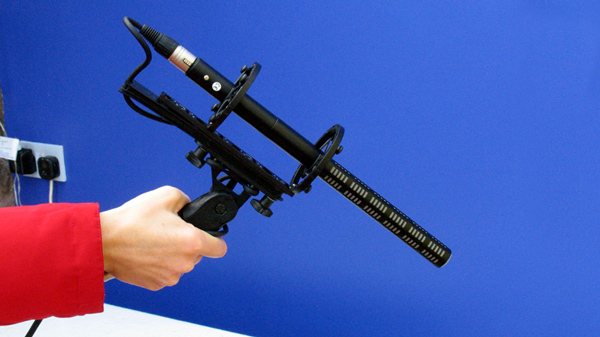
This is the best kind of mic for film!
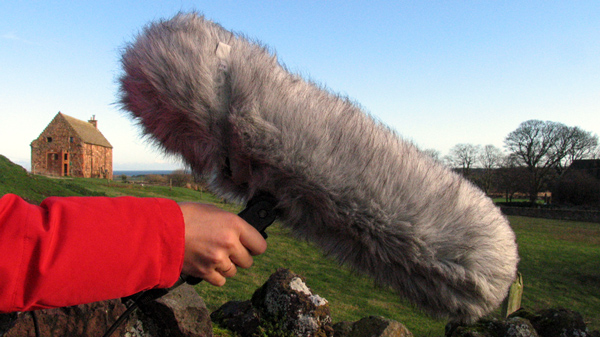
The slots down the side of these mics are very affected by wind which would ruin the sound so you rarely see these microphones without some kind of windshield. Indoors we use a simple piece of foam like the ones you sometimes see in front of TV presenters.
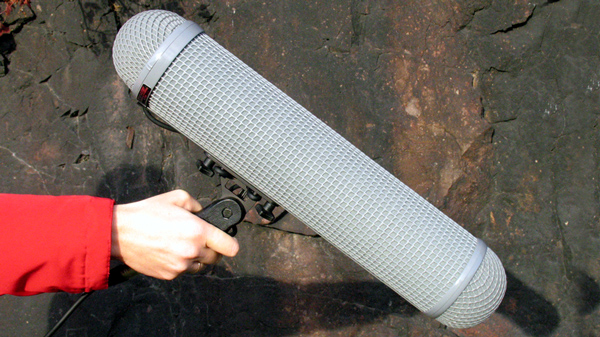
Outdoors we use a plastic 'basket' windshield and often cover this with a furry 'windjammer' cover which makes it look like the ones news crews use.