During a take
The rehearsal
Professional film-makers have rehearsals because this helps everyone to know what's going to happen and they can try to get their bit right. Even in documentaries they rehearse the movement of the camera and try a little bit of interview to get the sound right. Don't record until you are happy with your shot. Don't end up with hours of video footage you can't use because the scenes haven't been rehearsed.
For sound, it is often only during a rehearsal that problems first become apparent. It will probably be the first time you hear what you're going to record without the chatter of the rest of the crew in the background.
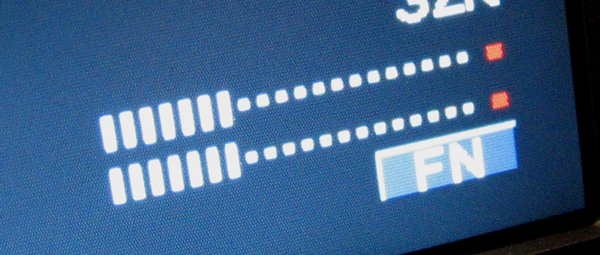
So it's your chance to check the audio levels both look and sound OK. See if the boom operator (or you, if you're on your own) has the mic in the best position.
You might notice a lot of noise from next door or outside. Now is the chance to control this by asking them to be quiet or closing the door.
When everyone - camera, sound, actors, director - is ready then you can go for a take.
Sound recordist during the take
Listen carefully to the quality of the sound. When people talk can you hear them clearly? Are you distracted by background sounds which are not relevant? (e.g. class chatter, dogs, crying babies, a passing lorry). Even if you are not recording anybody talking, is the sound you are getting appropriate for the picture?
Once filming has cut, it's your job to tell the director if you thought the sound was good enough. If you didn't think it was good enough try to think of how you can improve it.
You as the person wearing the headphones might be the only person who heard the dog barking in the background. If you are in doubt about the quality of the sound, film it again while you can. It may not be possible to go back and record it later.
If everyone is happy you can move to the next shot.